How Do I Start as a Creator? A Beginner's Roadmap (2026)
A practical roadmap for starting as a creator from zero: one niche, three sample videos, a small portfolio, clear rates and direct pitches.
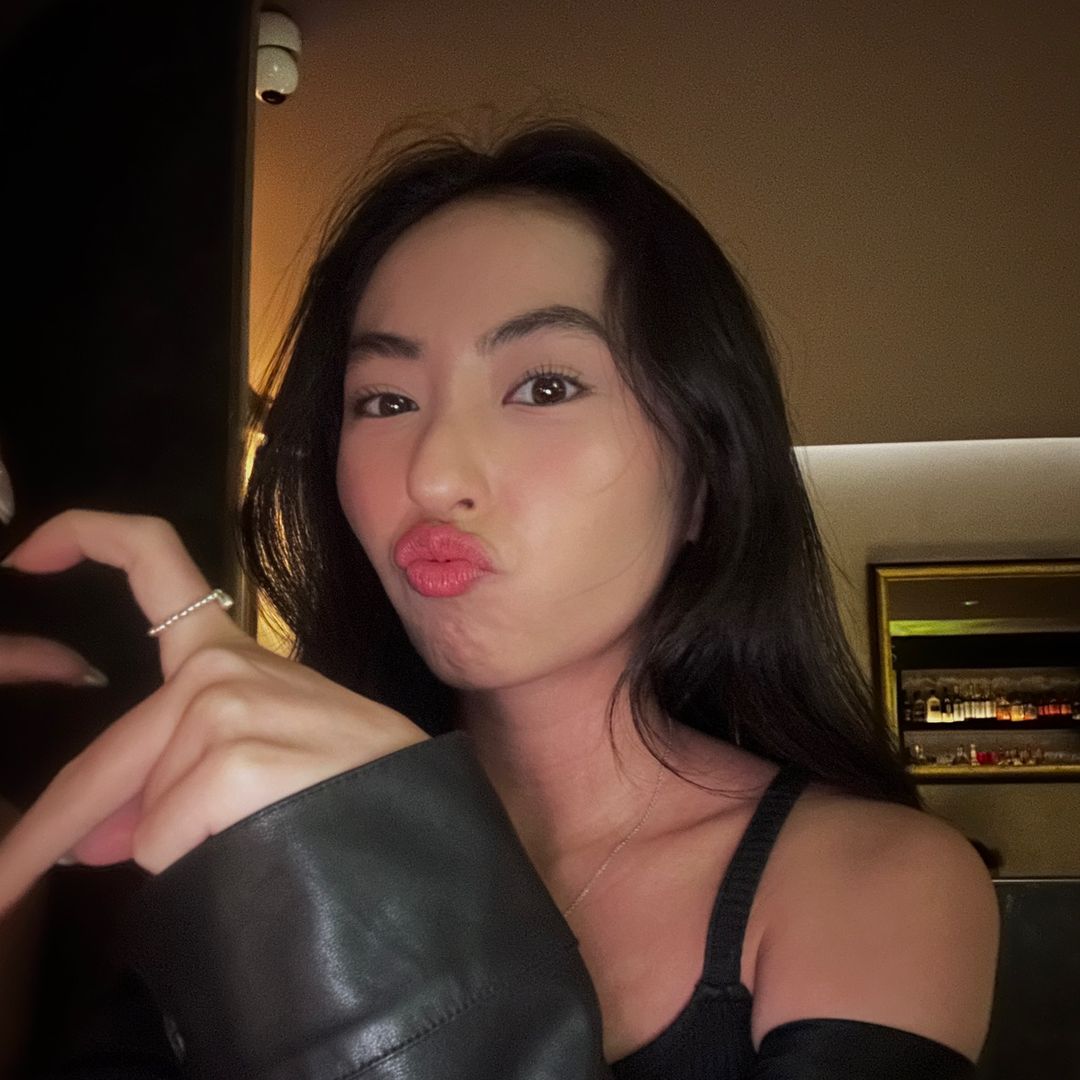
To start as a creator, choose one niche you can talk about for months, film three sample videos with a phone, and publish a small portfolio. Pitch brands direct with specific content ideas and clear deliverables. You do not need followers first: UGC work pays for content, not reach.
On this page
How do I start as a creator? Most people ask it late at night, somewhere between scrolling and self-doubt. A creator is a person brands pay for content or influence. The honest answer in 2026 is shorter than the internet makes it: pick one niche, film three sample videos on your phone, publish a small portfolio, and pitch brands direct. You do not need followers first. You need proof you can make something a brand would pay for. This guide covers the whole path, from first clip to first paid job, including Singapore rates and disclosure rules.
How do I start as a creator without any followers?
Starting with zero followers feels like the whole problem. In fact, it is not. Brands buy two different things from creators. Influence work pays for reach: your audience, your post, your endorsement. UGC work pays for content: a video the brand publishes or advertises under agreed usage rights. The second kind has no follower requirement at all.
The demand is measurable. According to We Are Social, 49% of consumers say their purchasing decisions are influenced by creators, and creator-style content earns roughly four times the click-through rate of polished brand-made content. However, brands need this material constantly. Someone has to make it. That someone can be you, starting this week.
For example, Kelicia Ong, a vetted Singapore creator on our roster, makes the point concrete. She has 15.8K followers, and her top TikTok has passed 1.2 million views, roughly 76 times her follower count. As a result, brands that filter by follower count would have missed her. Brands that filter by audience fit booked her.
What do you need before you start?
Nothing expensive. The full kit costs S$0:
- a smartphone from the last few years. Daylight beats cheap lights.
- a free editing app. CapCut is the default for a reason.
- one platform account you will actually post to. TikTok or Instagram, pick one.
- three products you already own. Samples come from real use, not stock footage.
- a notes file for hooks. One line per idea, collected daily.
In short, setup takes one afternoon. If a piece of advice starts with "buy this camera", it is selling equipment, not a career.
How do you go from zero clips to a first paid job?
Use this six-step sequence. Each step has one job.
- Pick one niche you can sustain. Skincare in humid weather, hawker food, budget travel, desk setups. Specific beats broad, because a brand needs to see that you understand one audience deeply. "Lifestyle" is not a niche; it is a shrug.
- Film three sample videos this week. One unboxing, one testimonial, one problem-solution demo. Twenty to forty seconds each, vertical, phone camera, natural light. Then study three ads you genuinely liked and note how their first three seconds work. Do not buy gear first. Beginners lose months to equipment; the ones who get paid started with worse footage and better follow-through.
- Publish a small portfolio, not a website. A shared folder or a one-page document with the three videos, one line on your niche, and your city. Brands scan; they do not read. For the full build order, the guide to becoming a UGC creator in Singapore covers portfolio structure and first clients in local detail.
- Learn the disclosure rules before your first deal. In Singapore, sponsored content must be disclosed, and the ASAS guidance lists the formats that require it. Disclosure protects you. Also, brands notice creators who already know the rules.
- Set rates in writing before anyone asks. Newer Singapore creators charge around S$800 for an organic clip, proven creators charge S$2,500 or more, and S$1,500 per video is a realistic planning anchor. Then, quote the deliverable, the platform and the usage rights separately. A post to your own audience and a licence for the brand to run your clip as an ad are different products with different prices. And never accept "exposure" as payment. That pitch is why small businesses distrust this channel in the first place.
- Pitch direct, and list on vetted marketplaces too. Send five pitches a week using the structure in our guide to pitching brands. In parallel, list yourself where briefs already exist. The Creator List reviews every creator profile, takes a 7% commission on completed jobs, and leaves creators 93% of what they charge. Create your profile when you have the three samples ready. Finally, profiles are reviewed, and joining does not guarantee brand work.
Which mistakes stall new creators?
The same six, over and over:
- waiting for followers first, when the money is in content, not reach
- buying gear before the first pitch, so the portfolio never ships
- copying a viral trend with no link to a real product or audience
- quoting one price for everything, instead of separating organic post, brand-channel asset and paid ad licence
- guaranteeing performance, which no creator controls
- stopping after five pitches, when the gap between wanting deals and landing them is mostly volume
Overall, none of these are creative problems. New creators rarely fail on talent. They fail on sequencing.
What does the first 90 days actually look like?
Week one: niche chosen, three samples filmed. Week two: portfolio live, first five pitches sent. Weeks three to eight: five pitches a week, one new sample video a week, and a short note to yourself after every reply about what worked. Weeks nine to twelve: for creators who kept the volume up, a first paid job is realistic. A newer creator's first clip in Singapore pays around S$800, and every delivered job becomes proof that raises the next quote.
Meanwhile, watch for two signs you are on track. First, your pitches get replies, even refusals. Second, you can describe your niche in one sentence without hesitating. If neither has happened by week eight, the niche is too broad or the pitch is about you instead of the brand's problem.
How can The Creator List help you start?
The Creator List is a vetted marketplace, not an open directory. Brands browse curated creator profiles by city and vertical, and book direct. Creators set their own rates, deliver the work end to end, and keep 93% of what they charge. Contracts, escrow payments and structured revision cycles come with the platform, so a first-time creator is not chasing invoices over email.
You can see what a live profile looks like on the vetted UGC creators in Singapore page, then join the early beta once your three samples exist. Starting as a creator is not a leap. It is six small steps, and the first one takes an afternoon.
Frequently Asked Questions
How do I start as a creator with no money?
A new creator starts with tools that cost nothing: a phone, a free editing app and three products already owned. Film 20 to 40 second samples in daylight, publish them in a simple folder, and begin pitching brands. The first portfolio does not need a website, a camera or paid software.
Do you need followers to get brand deals?
No. UGC brand deals pay for content the brand publishes, so the size of the creator's own audience does not matter. However, influence deals pay for reach, and those favour larger accounts. A creator who wants paid work without followers should lead with content samples, not audience size.
How much can a new creator charge?
In Singapore, a newer creator's organic clip typically sits near S$800, and proven creators charge S$2,500 or more, with S$1,500 per video a realistic planning anchor. Usage rights for paid advertising are quoted separately and raise the total.
How long does it take to get the first brand deal?
Most creators who pitch five brands a week with a focused portfolio land their first paid job within one to three months. Additionally, marketplaces with open briefs can shorten that timeline. There is no guarantee, and creators who stop pitching at week two rarely get there.
Common questions
A new creator starts with tools that cost nothing: a phone, a free editing app and three products already owned. Film 20 to 40 second samples in daylight, publish them in a simple folder, and begin pitching brands. The first portfolio does not need a website, a camera or paid software.
Get in early. Grow with creators.
We are welcoming creators and businesses across Singapore and APAC. Creators get first access to our best jobs; businesses get our best early-adopter rates as hiring opens. Sign up now. Access opens in stages.
Join as a business